
New Articles Every Monday
New Articles Every Monday
Rebuilding the World This Lent
In a world built on shortcuts, our relationship with God still requires intention. Drawing from Jewish tradition and the structure of the Sermon on the Mount, this Lenten reflection reframes the familiar practices of fasting, prayer, and almsgiving as Word, Worship, and Work—the three pillars upon which God established the world. Lent is not a performance or a program, but a deliberate walk with Jesus Christ, who alone is the destination and the prize.
A Lenten Reality Check
Friday abstinence was never meant to be a puzzle solved by loopholes. This article addresses a common Lenten misconception, explains why chicken is not permitted, and invites a renewed spirit of obedience and sacrifice. It’s time for a reality check.
The Ash Wednesday Paradox
Ash Wednesday feels contradictory: public ashes paired with a Gospel that demands private repentance. But the tension is the point—and Lent is the test.
Lent Is Not a Resolution
Lent becomes a spiritual reset button, a chance to try again at becoming the person we wish we already were.
But Lent is not a fresh start.
It is a confrontation.
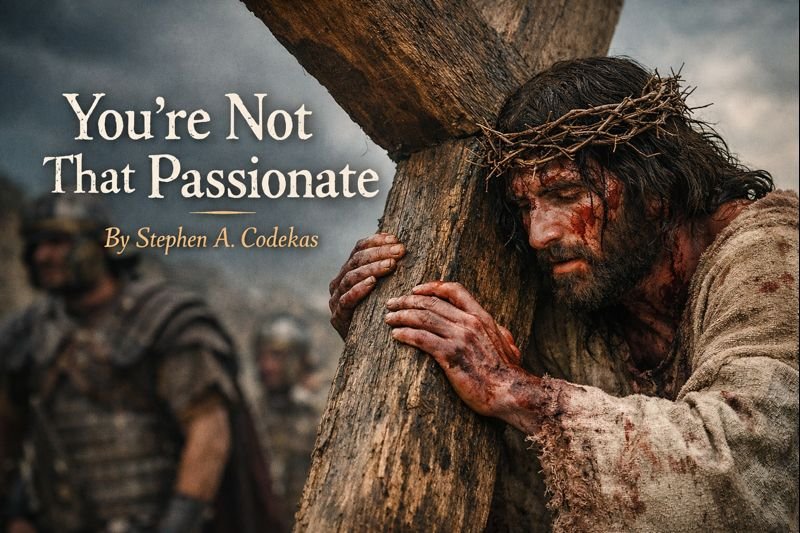
You’re Not That Passionate
“If anyone would come after me, let him take up his cross.” The Passion is not an accident of history, but the measure of love itself—one that exposes how easily we confuse excitement with devotion.
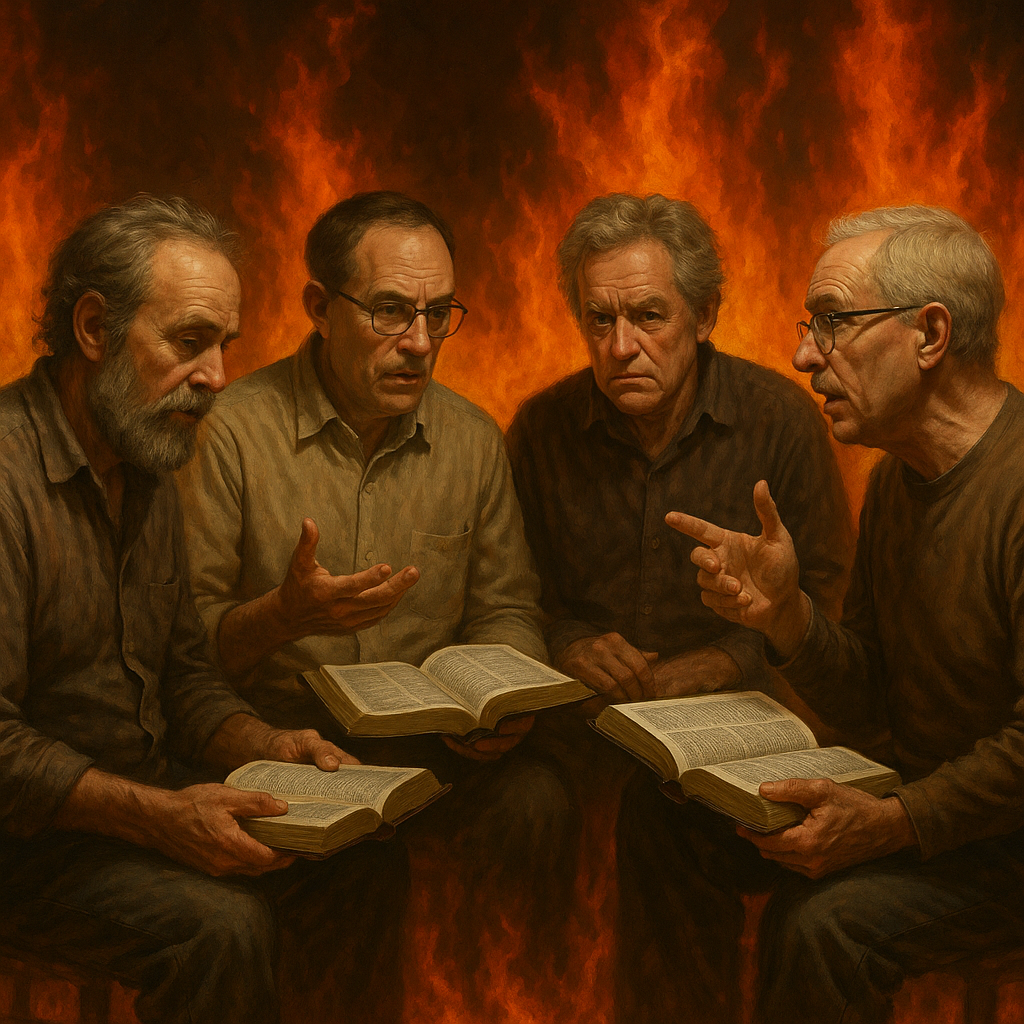
Theologians in Hell; Knowledge, Freedom, and the Reality of Self-Exclusion
When I first heard the statement “there are theologians in hell,” it startled me. The idea seemed harsh, almost accusatory — how could those who dedicate their lives to studying God end up separated from Him? Yet, upon reflection, this claim is neither cynical nor exaggerated. It expresses a deeply rooted truth in Catholic doctrine: that salvation is not achieved through intellect but through conversion. No degree of theological sophistication can substitute for holiness of life.

The Crises of Our Time
If the great pastoral challenge of past centuries was ignorance of the truth, the great crisis of our own is indifference toward it. We do not live in an age that does not know—we live in an age that does not care. Surrounded by endless information, moral claims, and even the Gospel itself, the modern soul has learned not to resist truth, but to mute it. What may be most spiritually dangerous today is not invincible ignorance, but what might be called invincible apathy.

Leave Those Lights Alone!
Every year, someone reaches for the ladder a little too soon. Christmas lights come down, music fades, and the season feels abruptly finished. But the Church gently insists otherwise. Christmas doesn’t end all at once because the mystery it celebrates cannot be rushed. From the Nativity to Epiphany, the Baptism of the Lord, and even Candlemas, the Church lingers—teaching us that when God enters time, the proper response is not haste, but wonder.
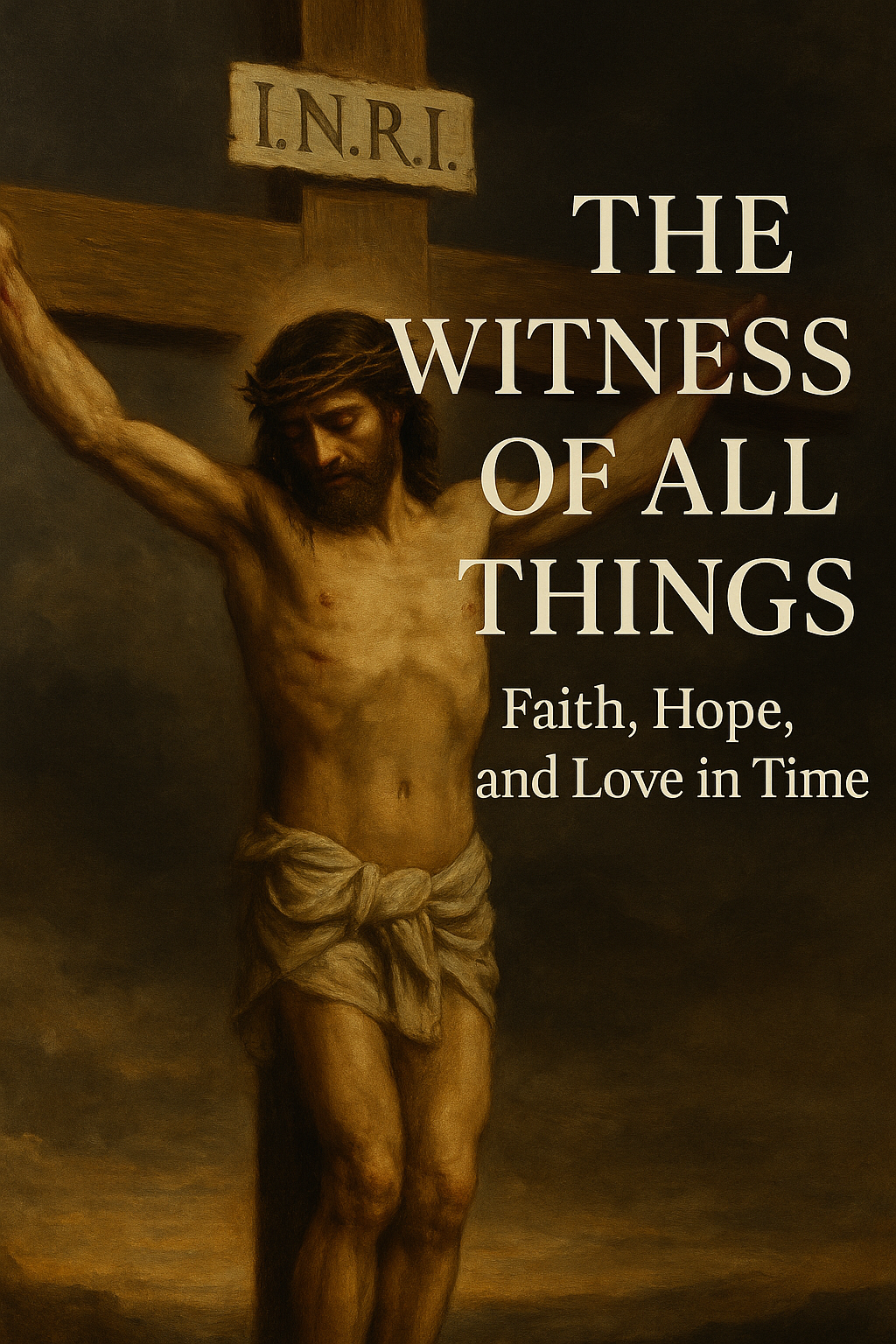
The Witness of Things
Faith remembers what God has done. Hope waits for what He has promised. Love acts in the present moment. In the end, all three converge at the Cross—the ultimate witness of God in time. There, the past is fulfilled, the future is secured, and love is poured out without reserve. The Cross does not merely explain faith, hope, and love; it reveals them, anchoring human weakness in divine fidelity and redeeming time itself.

The Promise of Things
Hope is not wishful thinking or naïve optimism. It is the theological virtue that faces the future with confidence, anchored in the promises of God. If faith remembers what God has already done, hope waits for what He has sworn to do. Like a faithful companion waiting at the door, Christian hope is born of trust and sustained by expectation—certain that the Master who departed will return.