
New Articles Every Monday
New Articles Every Monday

When Isa Appears: Dreams of Jesus Among Muslims
There’s something strange happening in the Middle East. Throughout the decades and increasingly more so in recent years, has been the reports of hundreds of Muslims all sharing the same (relatively) same dream; Isa. Or as most of us who know Him…Jesus. God appearing in dreams is nothing new or unusual. Scripture is full of these dream visits to offer prophecy or warning.

Coming Soon…He Shall Be Called, A Parish Nativity Play
He Shall Be Called: A Parish Nativity Play is a moving new work by Stephen A. Codekas that begins with the Prophet Isaiah’s vision and traces the coming of Christ through Scripture, chant, and living prayer — a meditation on every name by which He is called.

A Desperate Surrender: The Crisis of Manliness in Education
Modern education too often tames rather than trains young men, turning them into reciters of manuals instead of men of action. True learning should cultivate desire, not suppress it — teaching a boy to face temptation boldly, to think freely, and to act with strength and virtue. Without this, we risk raising generations who know everything about swinging the bat but never step up to the plate.

The Problem With Evil
While studying for my philosophy degree, there were a few things I couldn’t quite get onboard with. While I like to think this would be par for the course for any philosophy student, there is one in particular I think deserves a second look. I call it, “The Problem With Evil”. You might say that this already exists; every single person has grappled with the problem of evil at one or more points in their lives.
This is not that.

Sola Reader; Barthes and Sola Scriptura
What happens when the author dies? Roland Barthes said the reader is born; the Reformers said Scripture alone would suffice. Both led to fragmentation. The Catholic Church answers with unity: the Author lives, and His Word still speaks.
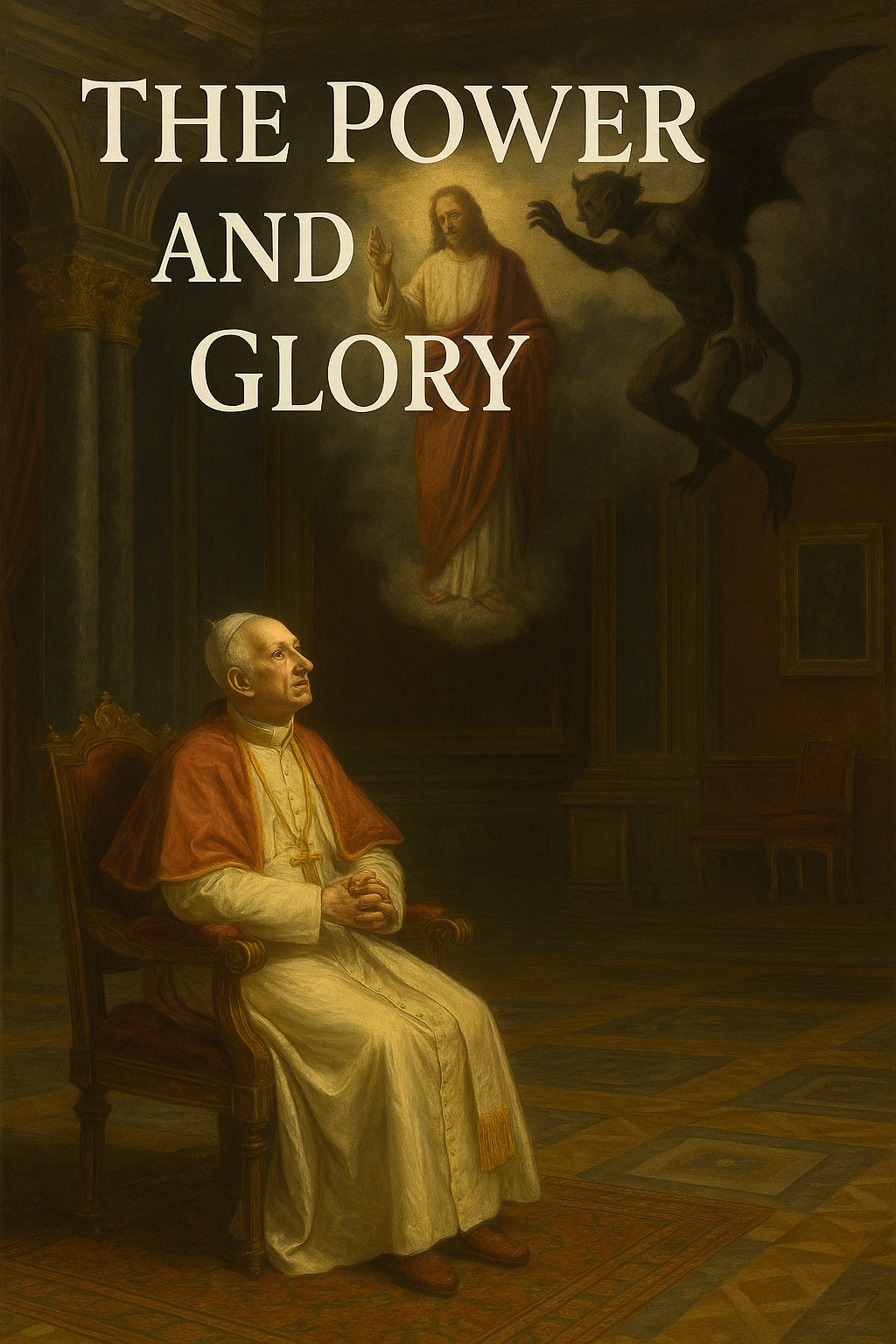
The Power and the Glory
Do we hate our own rites? Perhaps not. But we are most certainly embarrassed by them. Embarrassed to breathe on a child and command the devil to depart. Embarrassed to put blessed salt upon the tongue as a defense against corruption. Embarrassed to admit aloud that Satan is real.
The older rite of Baptism proclaimed salvation as a rescue from the powers of darkness. The new rite whispers it as a polite welcome. Small wonder, then, that belief in the devil, the Real Presence, and the very need for sacramental life has collapsed in our time. When our rites no longer fight, neither do our people.
The world does not need “wishes.” It needs deliverance. It needs the Church to pray with power and glory again — as if she believes Christ has conquered death and hell.
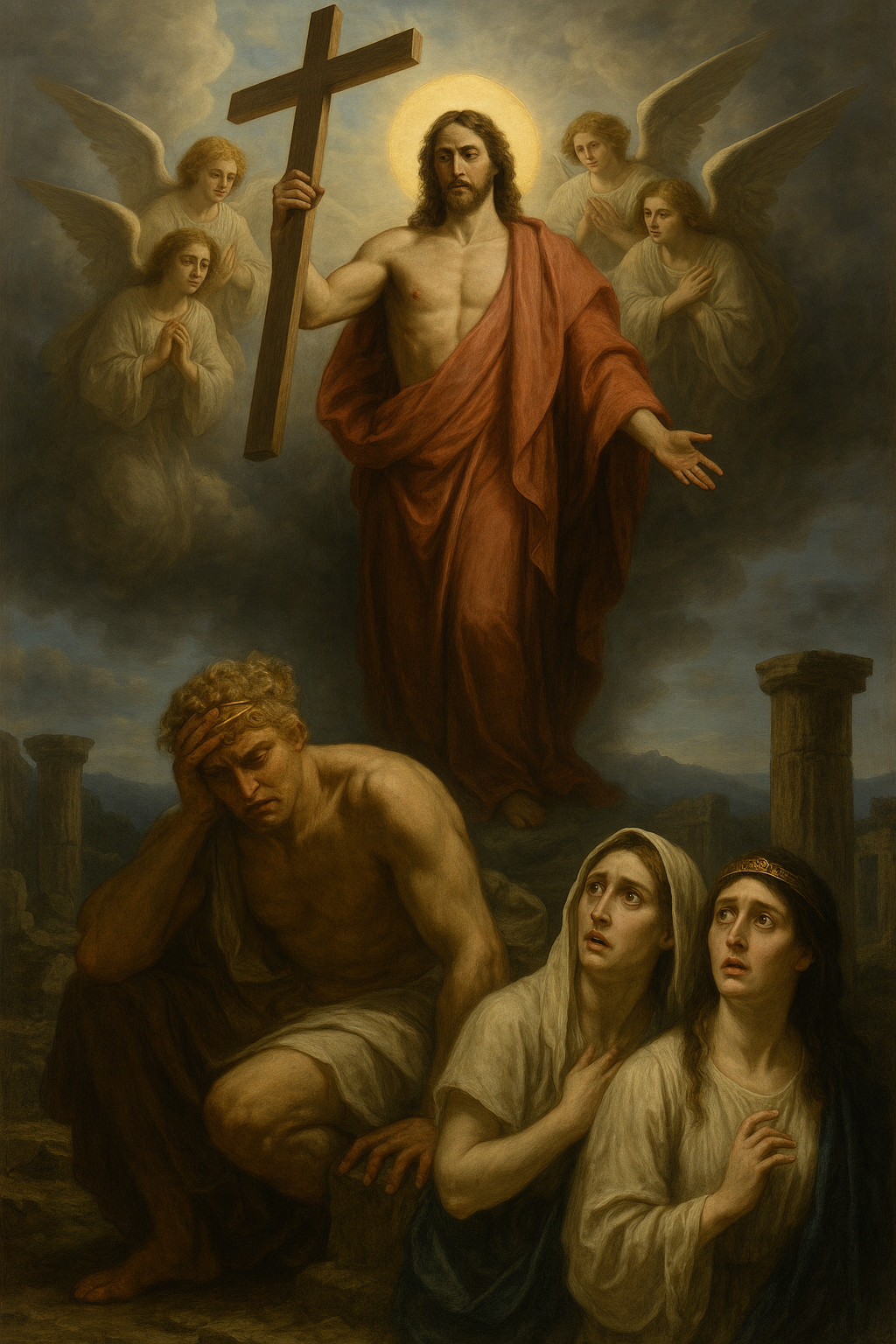
The Resurrection and the End of Magic
The stones of Delphi lie silent now, their columns broken and their temple roofless. Once kings and empires bent the knee to hear Apollo’s priestess, but her voice is gone. For the Christian, that silence is no accident. The oracles of the ancient world fell mute at the moment the Cross triumphed. Where sorcery once drew from a dark font, Christ sealed it at Calvary. What remains are shadows and illusions, while the empty tomb still speaks with power.
The Silence of Memory: A Theological Meditation on Yvette’s Tale
Yvette’s Tale is more than a story of supernatural trade; it is a homily on grief’s temptation and grace’s summons. The Toll Booth promises presence but delivers absence, reminding us that the past cannot be purchased back. Yet when Yvette turns eastward into the desert, she embodies the paradox of Christian hope—that only by releasing what we cannot recover do we begin to walk toward the Voice that promises never to leave us.
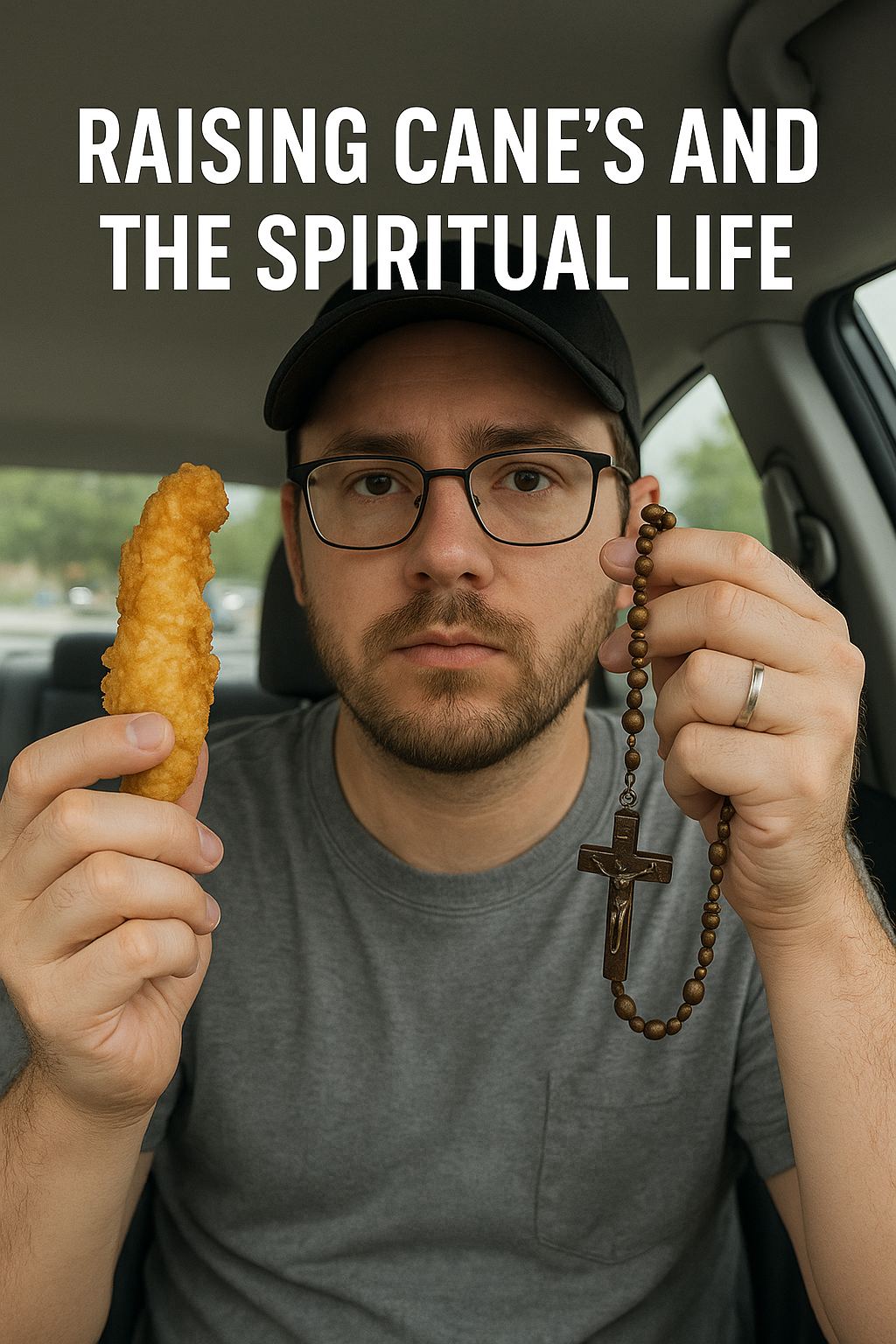
Raising Cane’s and the Spiritual Life
“The Raising Cane’s Problem isn’t about chicken—it’s about subtlety. In a world addicted to loudness, maybe Cane’s is a reminder of Psalm 46:10: ‘Be still, and know that I am God.’”
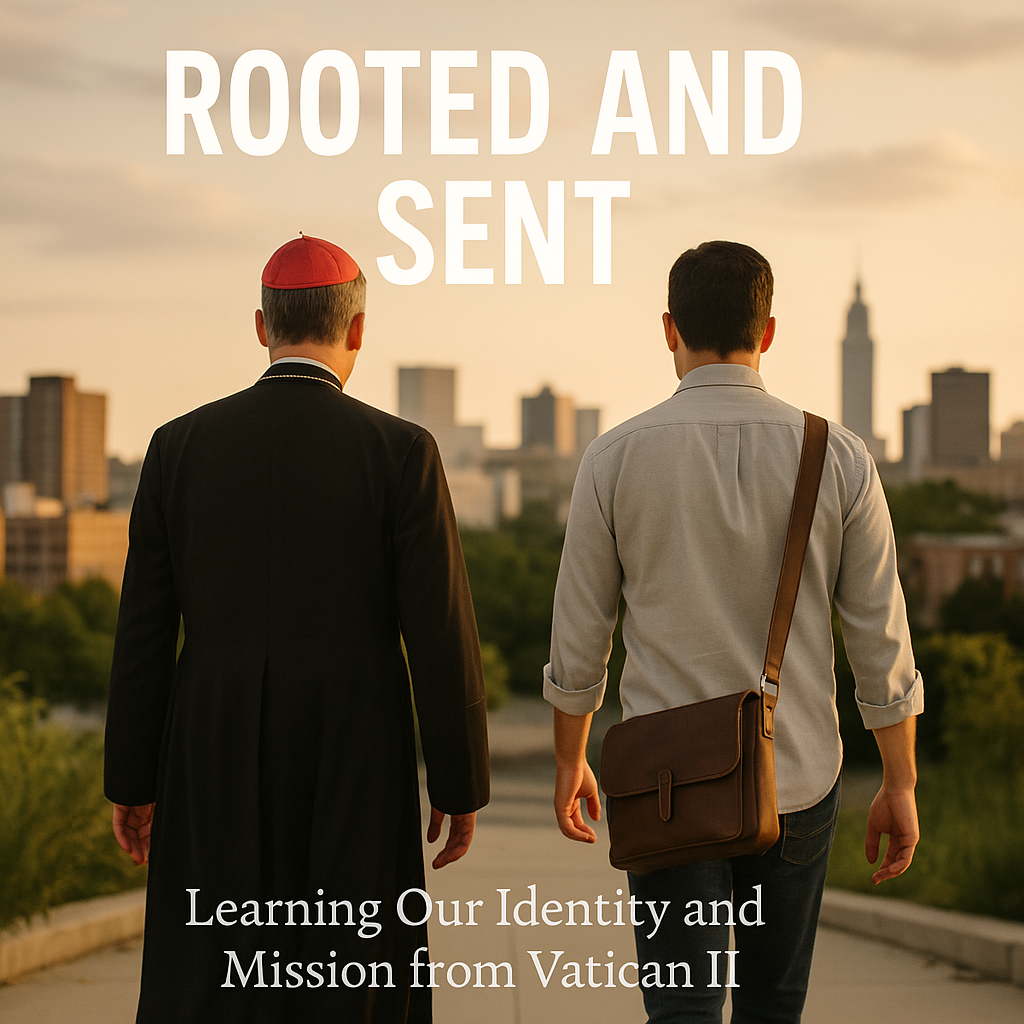
"Rooted and Sent: Learning Our Identity and Mission from Vatican II"
Rooted and Sent: Learning Our Identity and Mission from Vatican II explores how the four major constitutions of the Second Vatican Council — Sacrosanctum Concilium, Lumen Gentium, Dei Verbum, and Gaudium et Spes — shape the Church’s self-understanding and clarify every Catholic’s call to live and witness the Gospel in today’s world. This article makes the Council’s vision accessible and personal, showing how these documents draw us closer to Christ by grounding us in who we are and what we’re called to do.